
“Did you know that improper layering can reduce your body’s ability to regulate temperature by up to 60% in cold weather?”
Tactical clothing isn’t just for extreme cold or military operations—it’s a smart choice for anyone navigating unpredictable weather or demanding daily activities. Learning how to layer tactical clothing can mean the difference between comfort and misery, whether you’re hiking, commuting, or running errands during seasonal transitions. In this guide, you’ll discover expert-approved strategies to stay warm , dry, and ready for any challenge using a flexible layering system .
Understanding How to Layer Tactical Clothing for Different Weather Conditions
When it comes to how to layer tactical clothing , mastering the strategy for different weather conditions is crucial. Your clothing system needs to respond to rain, wind, temperature drops, and activity level at a moment’s notice. For instance, a brisk commuter morning may evolve into a rainy afternoon and a frosty evening. Without the right base layer , insulation, and shell, you’ll be left either shivering or drenched in sweat.
Consider the importance of selecting a base layer that wicks away moisture in muggy conditions, while choosing an outer layer that defends against biting wind or sudden showers. The foundation of comfort lies in layering: incorporating a middle layer or insulation layer keeps you warm by trapping warm air without causing bulk or overheating. The final shell layer creates a barrier against external elements, ensuring that the internal layers work optimally. The adaptability of your tactical clothing system can turn challenging days into comfortable adventures.

- What you’ll learn in this tactical clothing layering guide:
- Proven strategies for layering tactical clothing in changing weather conditions
- Advantages of each layer: base, insulation, and shell
- Selecting the right tactical gear for everyday use
- Best fabrics and features for year-round comfort
- Common mistakes and how to avoid them
- Insights from military cold weather layering systems
The Fundamentals of the Tactical Layering System
What Is a Layering System and Why Does It Matter in Tactical Clothing?
The layering system is a strategic way of dressing: you use several thin, compatible layers instead of one bulky garment. This approach is the secret to controlling body temperature , managing moisture, and maintaining flexibility without sacrificing comfort. Each piece serves a unique function, and when used together, the system allows your clothing system to adapt to weather conditions , ensuring optimal performance in cold weather, rain, or heat.
In tactical clothing, a proper layering system starts with a base layer (for moisture management), adds a middle layer (to hold warm air close for staying warm ), and tops with a shell layer or outer layer for protection against environmental threats. The goal is to allow moisture to escape while keeping the weather out, adapting instantly by adding or removing pieces based on your activity level or the climate.
Adapting to Weather Conditions: The Key to Everyday Tactical Comfort
Tactical layering is all about adaptation . Weather can change quickly—a brisk walk can raise your body heat , while a sudden wind or rain can chill you immediately. Having a system that lets you easily incorporate or stow layers ensures that you can transition seamlessly from a cold office to a sun-soaked street, or vice versa. Each layer has a job: keeping you dry, regulating heat, or shielding you against the elements .
Understanding how to layer tactical clothing for different scenarios is fundamental. For example, workers, cyclists, and outdoor enthusiasts rely on rapid layer adjustments to prevent overheating or chilling. By applying these principles, you’ll control comfort and performance in any daily routine, using your tactical gear to its fullest.
| Layer Type | Primary Function | Best Fabric | Example Garments |
|---|---|---|---|
| Base Layer | Moisture management | Merino wool, synthetics | Thermal shirts, leggings |
| Insulation Layer | Heat retention | Fleece, down, wool | Fleece hoodies, vests |
| Shell Layer | Wind/Water resistance | Gore-Tex, nylon | Waterproof jackets, pants |
| Outer Layer | Enhanced durability, weatherproof | Softshell, ripstop | Tactical jackets, parkas |
How to Layer Tactical Clothing: The Base Layer Matters
Choosing the Right Base Layer for Everyday Use
The base layer is the starting point for any effective layering system. Its primary job is moisture management —it wicks sweat away from your skin, so you stay dry and comfortable, not clammy or cold. The right base layer material strikes a balance: it moves moisture out but doesn’t trap heat or cause overheating.
For everyday use, opt for snug but non-restrictive base layers that maintain their performance whether you’re in a static office or moving outdoors. Tops and bottoms made from merino wool or synthetic fibers like polyester and nylon are both excellent choices. They’re lightweight, don’t hold onto odor, and dry quickly. A good base layer will always improve your whole tactical clothing system .
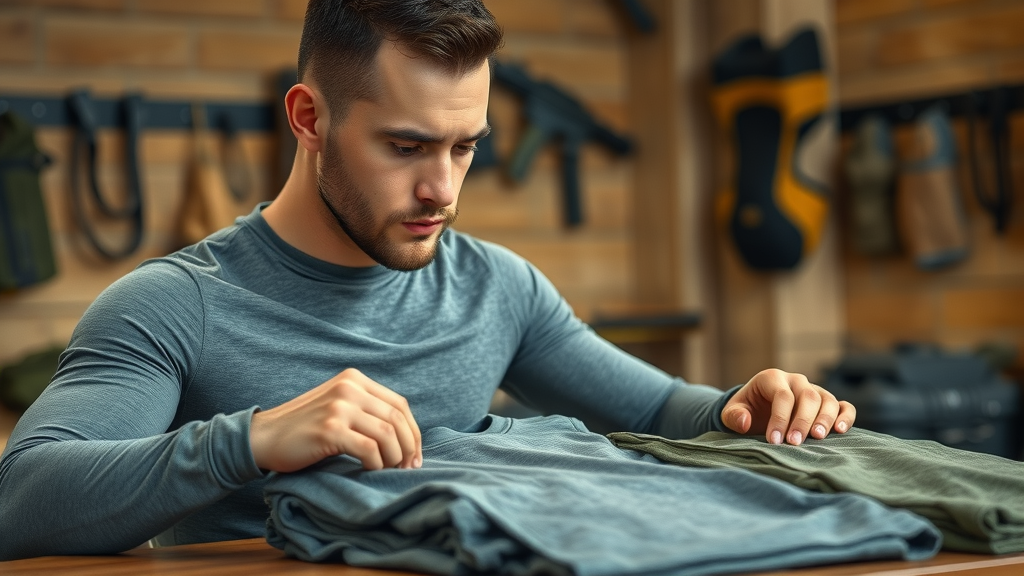
Base Layer Fabrics: Natural Fibers vs. Synthetics
When deciding between natural fibers and synthetics, it’s important to understand their properties. Merino wool , a major natural fiber, is favored for its ability to regulate body temperature , wick sweat, and resist odor—even after extended use. Natural fibers also tend to be softer against the skin, reducing irritation.
On the other hand, synthetics like polyester and nylon offer superior durability, dry faster, and tend to cost less. They’re a top choice for those on a budget or involved in intense activities where rapid sweat evaporation is needed. The downside? Synthetics can retain odors more than natural fibers and might feel less luxurious. Choose wool or synthetic depending on your priorities—comfort, performance, or budget—all while making sure the base layer fits your activity level and daily routine.
Base Layers for Cold Weather and Changing Weather Conditions
When layering for cold weather or unpredictable climates, your base layer becomes your first defense against heat loss. In extreme cold , thicker merino wool or technical synthetics keep you dry, which is essential because dampness on your skin steals body heat rapidly, leading to chills.
For shifting conditions—like a chilly morning that warms up by midday—choose a base layer that balances warmth and breathability. This lets moisture escape but keeps the warm air close. Remember, cotton should be avoided at all costs for base layers: it holds water, becomes heavy, and loses all insulating ability when wet.
“The foundation of any effective layering system starts with the right base layer.”
Adding an Insulation Layer: How to Stay Warm While Layering Tactical Clothing
Best Insulation Layer Materials for Tactical Clothing: Fleece, Down, and More
The insulation layer , or middle layer , is all about retaining body heat and creating a warm buffer between you and the cold. Fleece jackets , lightweight down vests, and synthetic-filled hoodies are common choices for this key layer. Each layer material offers a unique tradeoff: fleece is breathable and quick-drying, natural down delivers outstanding warmth (but loses performance when wet), and synthetics offer a happy medium.
For everyday tactical use, a fleece jacket or vest works for most people, providing warmth without feeling bulky. Choose an insulation layer that’s easy to remove or add as your activity level changes or as the weather shifts. Comfort, packability, and quick drying should all influence your selection.

How to Choose a Middle Layer for Optimal Warmth Without Bulk
Finding the best middle layer comes down to striking a balance between staying warm and staying nimble. Bulky garments can trap heat, but they can also inhibit movement and make you sweat more than necessary. Lighter insulation layers made from fleece or synthetic fill manage warmth while maintaining a low profile under your outer layer .
Look for features like zippered vents, stretch panels, or adjustable hems. These details allow you to fine-tune your comfort as your movement or the temperature changes. Remember, your insulation layer must work with your other layers, not against them—easy integration means better performance across all weather conditions .
Layering for Active and Static Weather Conditions
Whether you’re sitting still for long stretches (static) or moving constantly (active), your insulation layer makes a difference. During high-activity periods, thinner, more breathable materials help avoid overheating. For static conditions—like watching a game outdoors or camping—a loftier insulation layer keeps warm air close to your core.
Adjust your layering system on the go. Remove layers as your body heat rises, and replace them when your pace slows or temperatures drop. This flexibility ensures optimal comfort and performance , regardless of your environment.
The Shell Layer: Maximizing Protection in Tactical Clothing
Types of Shell Layers: Hard Shell vs. Soft Shell
Your shell layer is the outermost barrier designed to shield you from wind, rain, and abrasive elements. The two primary types are hard shell and soft shell . Hard shells (typically made with Gore-Tex or similar) are water repellent and completely windproof, making them essential for heavy rain or extreme cold. On the other hand, soft shell jackets are praised for their breathability, stretch, and comfort, offering resistance to light wind and rain but sacrificing complete waterproofing.
When choosing which to use, consider your activities and the prevailing weather conditions . For high-output pursuits with frequent temperature shifts, a soft shell might be best. For prolonged exposure to harsh elements, go with a hard shell —it provides the best warmth and protection but can be less breathable.
How to Select Shell Layers for Versatile Everyday Use
Everyday tactical clothing calls for shell layers that adapt easily to unpredictable conditions. Look for jackets and pants with adjustable cuffs, hoods, and ventilation features. Durability is also vital: reinforced elbows, waterproof zips, and highly abrasion-resistant fabrics extend the shell’s lifespan in urban or outdoor environments.
Don’t forget comfort—modern shell materials are lighter and less crinkly than older designs. Tactical shells often include low-bulk designs that fit over insulation and base layers without restricting movement. Pick shell layers that enhance your clothing system and match your climate.
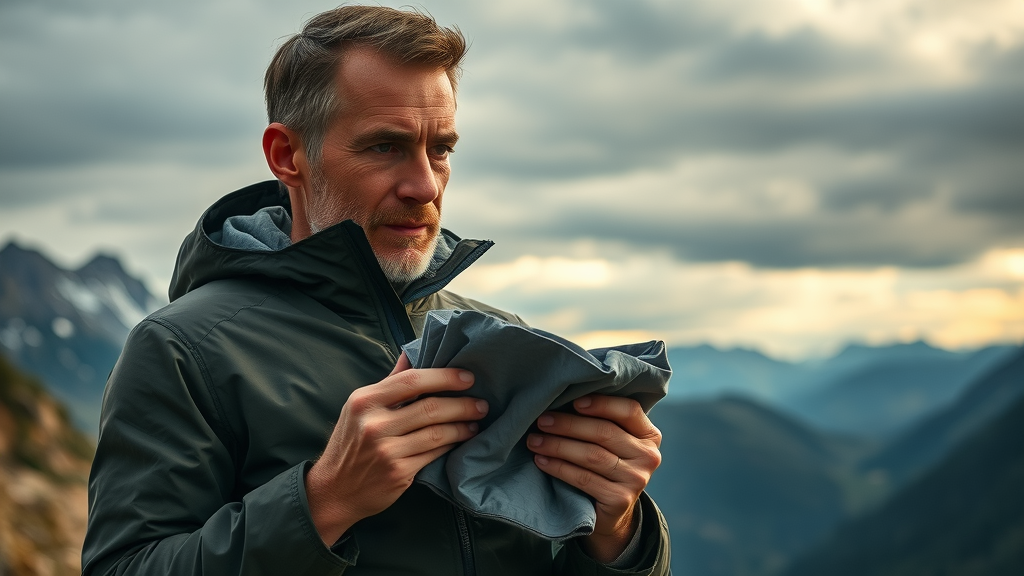
Outer Layers: Tactical Clothing That Combines Functionality with Durability
In a tactical context, “ outer layer ” often refers to durable jackets or parkas built to withstand serious physical and environmental abuse. These outer layers combine waterproofing, wind resistance, and abrasion protection, often with modular pockets and reinforced panels. Unlike a simple raincoat, a tactical outer layer works together with underlying base layers and insulation to form a comprehensive clothing system .
Choose outer layers that provide the best durable water resistance and wind protection, without giving up comfort. Some designs incorporate additional liners that can be removed in warmer weather, offering true four-season versatility for anyone needing adaptable tactical wear.
Weather-Specific Strategies: How to Layer Tactical Clothing for Cold Weather and Beyond
Adapting the Tactical Layering System for Different Weather Conditions
The secret to year-round comfort is knowing how to adapt your layering system as temperatures, activity, and weather change. In cold weather , use all three layers—opt for heavier insulation and a reliable shell. For rain, prioritize waterproof shells and quick-drying base layers . In shoulder seasons, rely on thin, breathable base layers and lightweight shells for sporadic cool breezes or drizzle.
Always adjust your system based on anticipated weather conditions and your own tolerance for heat and cold. Feeling clammy or sweaty? Drop a layer or vent your shell. Feeling chilled? Add a hat, gloves, or an extra mid-layer. Tactical layering’s strength is in its adaptability—and your comfort relies on minute-to-minute monitoring.
Tips to Layer Clothing Effectively Without Overheating
Preventing overheating is just as important as staying warm . The solution is modularity: choose layers that are easy to remove, stow, and reapply. Lightweight insulation layers and breathable shells let excess body heat and moisture escape, while keeping cold, wind, or rain out.
Avoid the temptation to over-insulate, especially before periods of heavy activity. Start chilly and warm up as you move. Regularly check under your shell for dampness, and remove a layer if you feel your clothing sticking or your heart rate rising. Tactical layering is an ongoing process, not a set-it-and-forget-it fix.
- Essential Everyday Tactical Layering Tips:
- Choose moisture-wicking base layers
- Prioritize insulation when temperatures drop
- Invest in a reliable shell layer for wind and water protection
- Avoid cotton; opt for performance fabrics
- Regularly adjust layers to match activity level and weather
People Also Ask: What is the Three Layer Rule?
The three layer rule refers to using a base layer for moisture control, an insulation layer for warmth, and a shell layer for protection against the elements. This method is the foundation for how to layer tactical clothing effectively, offering optimal thermal regulation and comfort in varying weather conditions.
People Also Ask: What Are the 5 Layers of Clothing?
The five layers of clothing often cited include: the base layer, insulation layer, mid-layer, shell layer, and an additional wind or rain outer layer. In tactical layering, the focus remains on how to layer tactical clothing by adapting these layers to your specific usage and environment for enhanced performance.
People Also Ask: How to Layer Clothing Effectively?
Layer clothing effectively by starting with a moisture-wicking base, adding insulating mid-layers as needed, and topping with a weather-resistant shell or outer layer. Selecting breathable and modular tactical clothing is vital for daily use and varying weather.
People Also Ask: What Is the Military Cold Weather Layering System?
The military cold weather layering system is built around combining moisture control, insulation, and shell layers for maximum efficiency and adaptability. Learning how to layer tactical clothing using military principles ensures readiness for any climate and activity level.
Mistakes to Avoid When Layering Tactical Clothing for Everyday Situations
- Wearing cotton as a base layer
- Over-insulating, which can lead to sweating and chills
- Ignoring wind and water protection
- Using layers that restrict movement
- Failing to adjust based on activity or weather

Expert Tips for Building Your Tactical Clothing System
“Investing in versatile, high-quality layers is crucial. Every piece in your system should serve a clear purpose and work together for comfort and utility.”
Building an exceptional tactical clothing system starts with planning and testing. When investing in gear, make sure each layer can stand alone as well as work with your other pieces. Practice layering in various scenarios—try it during a brisk morning walk, an office commute, or a light workout. Prioritize comfort, breathability, and durability . Assess and refine based on real-world performance. Over time, you’ll develop a routine that makes how to layer tactical clothing feel intuitive and effortless.
Frequently Asked Questions About How to Layer Tactical Clothing
- Can I use tactical clothing for both professional and casual settings?
Yes! Modern tactical clothing brands design pieces that blend into streetwear, outdoor, and professional environments. Choose neutral colors and simplified designs for maximum versatility. - How do I store extra layers when not in use?
Store layers in your backpack, locker, or car. Look for packable materials that compress easily, minimizing space and keeping you organized while on the move. - Which tactical brands offer the best layering options?
Top brands like 5.11 Tactical, Arc’teryx LEAF, and Helikon-Tex are respected for quality, innovation, and versatile layering systems suitable for everyday and professional use. - Are natural fibers always better than synthetics?
Not always—natural fibers like merino wool excel at regulating temperature and resisting odors, while synthetics offer increased durability and faster drying times. The best choice depends on your needs, climate, and activities. - How do I care for and wash my layered tactical gear?
Always follow the manufacturer’s care instructions. Wash with gentle detergents, avoid fabric softeners for technical fabrics, and air dry if possible to extend the lifespan of every layer.
Step-by-Step Routine: How to Layer Tactical Clothing for Day-to-Day Use
- Start with a moisture-wicking base layer
- Add an insulating layer according to the temperature
- Use a shell layer for wind, water, or abrasion resistance
- Adjust outer layers and mid-layers based on weather shifts
- Personalize layering for your unique activity or lifestyle needs

Visual Guide: How to Layer Tactical Clothing for Different Weather Conditions
Key Strategies: Elevate Your Everyday Performance with Advanced Layering System
- Adapt layers to activity level
- Maintain packable options for on-the-go adjustments
- Prioritize comfort and breathability for all-day wear
- Ensure each piece in your clothing system is compatible
Get Started with How to Layer Tactical Clothing for Any Situation
- Assess your environment and weather expectations
- Invest in quality layers that fit your needs
- Practice layering for different activities
- Refine your system with real-world feedback
- Stay proactive and prepared for conditions year-round
Take action: Analyze your wardrobe, invest in high-performing layers, and master how to layer tactical clothing—so you’re ready for anything, every day!
To enhance your understanding of layering tactical clothing for everyday use, consider exploring the following resources:
-
“Layering Basics for Tactical Gear” : This article provides a comprehensive breakdown of the three-layer system—base, mid, and outer layers—emphasizing the importance of moisture-wicking materials and proper fit to maintain comfort and functionality in varying conditions. ( lqcompany.com )
-
“How to Dress in Layers: Tips for Staying Warm” : This guide offers expert advice on selecting appropriate materials for each layer, adjusting to different weather scenarios, and avoiding common layering mistakes to ensure optimal warmth and dryness during outdoor activities. ( rei.com )
By delving into these resources, you’ll gain valuable insights into effective layering techniques, helping you stay prepared and comfortable in diverse environments.